
“Is That a Smart Ring or Are You Just Happy to Track Your Steps?”
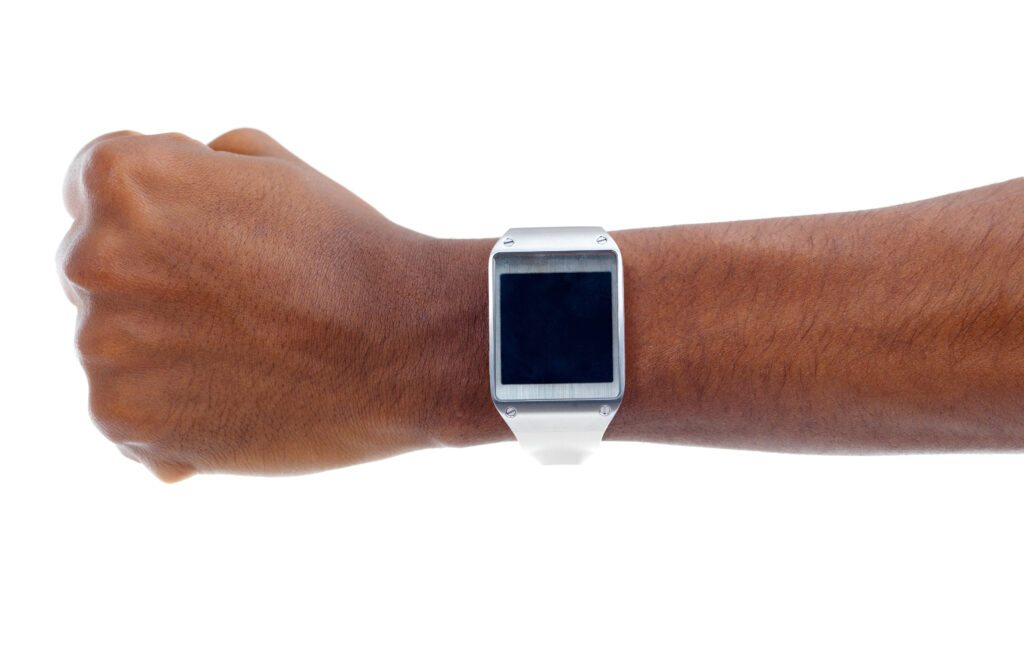
The Real Truth About Wearable Tech, Fitness Trackers, and Why Your Wrist Might Be Smarter Than You
By Ben Soto
Certified Health Coach | CPT | Martial Arts Instructor | Behavioral Change Specialist
FitPro MKE | Milwaukee’s Most Dangerous Gym (in a good way)
Let’s Cut to the Wrist: You’ve Been Replaced by Your Watch
So, you’re minding your business, happy to have purchased your fancy new wearable tech. Then you get an eerie feeling. You look at the fitness tracker you were excited about and get a strange feeling that it’s silently judging you.
Sound familiar?
Me too, imaginary reader I’ll name Stan.
These days, wearable tech is like that clingy friend who won’t stop texting you, only it’s strapped to your body and asking, “Did you hit 10,000 steps today, you glorious beast of motion?”
Welcome to the age of smart rings, ECG-enabled watches, sleep-analyzing headbands, and devices that practically whisper sweet metabolic nothings into your bloodstream. But here’s the real kicker: they actually work—if you use them right.
What’s the Science Say, Coach Soto?
I’m glad you asked, Stan!
Wearables Improve Physical Activity
A 2022 meta-analysis published in The Lancet Digital Health analyzed over 160,000 participants and concluded that wearables increase physical activity by an average of 1,800 more steps per day (Lancet Digital Health, 2022). That’s 90,000 more steps a month, or roughly one extra Nicolas Cage movie’s worth of pacing during an existential crisis.
They Help with Heart Health
Many wearables now offer ECG (electrocardiogram) features, like the Apple Watch and Fitbit Sense. These aren’t gimmicks. A study in JAMA Cardiology found smartwatches can accurately detect atrial fibrillation in at-risk users (JAMA Cardiology, 2019).
You might not even know your heart’s acting up until your wrist slaps you with a “Hey, go see a doctor before you die” notification.
Your Sleep is Being Watched (But That’s a Good Thing)
Devices like the Oura Ring or Whoop track REM, deep sleep, and even heart rate variability (HRV), helping users fine-tune their recovery. As Sleep Medicine Reviews confirms, these trackers provide useful longitudinal sleep data, especially for behavior modification (Sleep Med Rev, 2021).
Translation: your ring knows when you Netflix too hard and skip sleep like it is leg day.
What Exactly Can This Wearable Stuff Do?
Let’s break down some features you might not realize you’re ignoring:
| Feature | Benefit |
| Step Tracking | Keeps you from becoming a sentient bean bag |
| Heart Rate (HR) | Adjust your workouts like a Jedi of cardiovascular control |
| ECG Monitoring | Early warning system for heart issues |
| Sleep Data | Know why you’re tired (besides watching TikTok at 2 a.m.) |
| Stress Tracking | Tells you to breathe before your laptop gets drop-kicked |
| Skin Temp/Oxygen | Helps track illness or recovery—like a sciencey sixth sense |
Bonus: Most of these sync with your phone and guilt-trip you when you skip your workouts. That’s basically a FitPro MKE trainer in your pocket.
As a Martial Arts Instructor, I Tried This Stuff Too
Look—I love getting punched in the face (professionally), but I also love data. I tested out a Whoop band to track my recovery after a week’s worth of heavy kickboxing sessions, and I’ve caught myself under-sleeping and over-training thanks to its passive-aggressive feedback. It’s like a digital sensei… minus the beard.
My rule of thumb for clients: If your wearable tells you that your HRV is in the dumpster and you feel like a wet sock—maybe skip the HIIT and stretch today. That’s behavior change gold.
Real Talk: Do You Need a Wearable?
No.
But will it help you be more mindful, more active, and more honest with yourself?
Hell yes.
You don’t need a fancy ring to squat. But if a glowing circle on your finger gets you off the couch and into a lunge, that’s the tech flex we support at FitPro MKE.
Ben’s No-BS Tips for Using Wearables Right
- Pick one, don’t hoard them. You don’t need a ring, a band, and a watch. Unless you’re Batman.
- Don’t just track—reflect. Data means squat unless you do something with it.
- Use trends, not single days. Bad sleep last night? Chill. But bad sleep all week? Fix your bedtime TikTok habit.
- Let it coach you. If your wearable says “recover,” don’t go beast mode anyway. Trust the process.
- Connect it to your goals. Want to lose weight? Monitor steps, calories, HR. Want to build muscle? Use recovery and HRV metrics.
Final Punchline
Wearables aren’t magic. They’re mirrors with data. And just like in martial arts, awareness is the first step to mastery.
Whether you’re training for your first 5K, your first pull-up, or your first non-lethal yoga class, tracking your health helps you level up with intention, not just intensity.
So strap on that watch. Slide on that ring. Start stalking your own stats like the beautiful, biohacked warrior you are.
And if you need help figuring out what all that data actually means, come see us at FitPro MKE (fitpromilwaukee.com)—where your body is the gym, your mind is the machine, and your trainer might be wearing nunchucks (spoiler: that’s likely me).