
Wearable Tech and Fitness: Are Smartwatches and AI Trainers Worth the Hype or Just Fancy Wrist Candy?
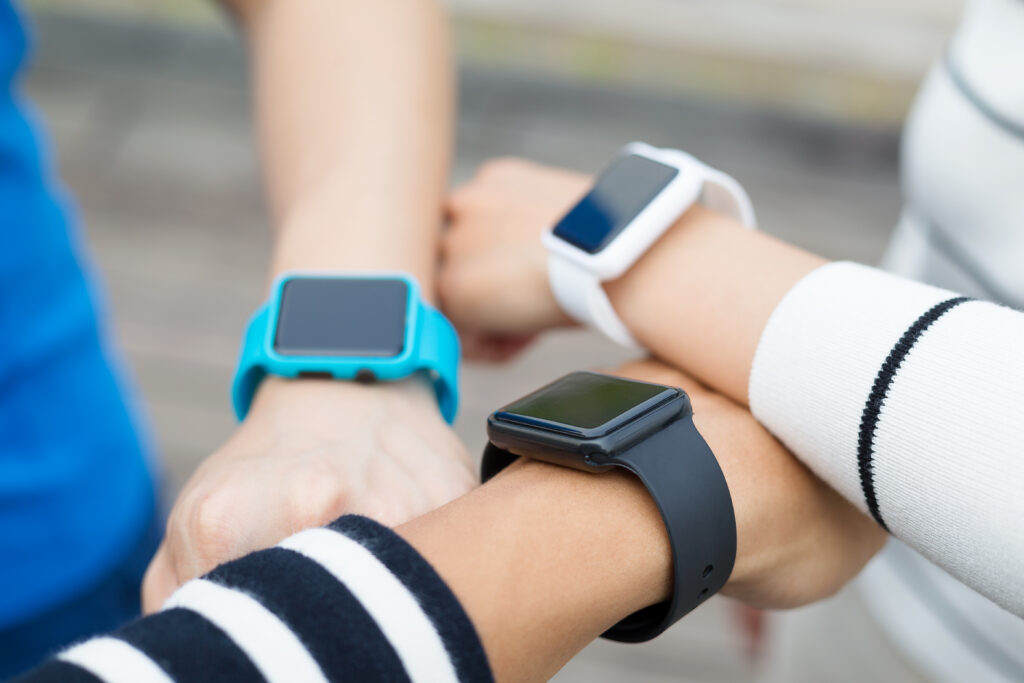
If you’ve recently felt personally attacked by your smartwatch buzzing judgmentally every time you sit down with a bag of chips, you’re not alone. Wearable tech—like smartwatches and AI-driven trainers—has exploded in popularity. But are these gadgets genuinely helping us get healthier, or are they just expensive guilt bracelets?
Smartwatches: Counting Steps or Counting Lies?
Smartwatches and fitness trackers are everywhere. According to Pew Research, around 21% of American adults regularly sport these flashy devices, turning everyday life into a perpetual episode of “Who Walked It Better?” But let’s be honest, we’ve all done that little arm shake while binge-watching Netflix, just to hit the daily step goal (don’t deny it!) (Pew Research).
Jokes aside, smartwatches do seem to motivate people to move more. A massive analysis in The Lancet Digital Health showed users walked about 1,800 more steps and spent an extra 40 minutes strolling around daily, dropping an impressive (yet ironically small) average of one kilogram (The Lancet Digital Health). It turns out, guilt trips delivered via wrist vibrations might actually work.
However, accuracy is another story. Studies found that fitness trackers overestimate certain metrics, like aerobic fitness (VO2 max), by up to 15%. So, your watch might occasionally flatter you, making you feel more athletic than reality suggests (AIM7). Hey, who doesn’t like a wearable tech ego boost??
AI Trainers: Like Siri with Muscles (Sort of)
Now, let’s talk about AI-powered trainers. These digital gurus create personalized workouts using your data, making you feel special—until you realize they recommend the same plank position torture for everyone.
Surprisingly, AI trainers do show promise. According to research in npj Digital Medicine, AI-based fitness programs can improve your fitness almost as effectively as an actual human trainer, minus the awkward small talk and judgmental eyebrow raises when you admit your last meal involved cheese fries (npj Digital Medicine via Wikipedia).
But don’t break up with your real-life trainer yet. A study from JMIR mHealth and uHealth found that AI trainers sometimes err on the side of caution, making them overly gentle, like your grandma asking if you’re sure you can lift that heavy milk jug (JMIR mHealth and uHealth).
Finding Balance: High-Tech Hype or Real-Life Gains?
Smartwatches and AI trainers aren’t magic bullets, but they aren’t overpriced paperweights either. They work best as part of a balanced fitness strategy. Think of your smartwatch as a well-intentioned friend who nags you occasionally (or constantly), and AI trainers as enthusiastic personal cheerleaders who might sometimes need a reality check.
So, are wearable fitness gadgets worth the hype? Yes, if you’re realistic about their limits and smart about integrating them into your routine. After all, sometimes all you need is a little wrist-sized accountability to nudge you away from the couch—and the potato chips.
Remember, no amount of technology can completely replace personal dedication, professional guidance, and the deeply motivating fear of your watch judging you during pizza night.
Sing up with a real life human at FitPro MKE! Get your FREE WEEK of training in, and find a trainer that can help you!